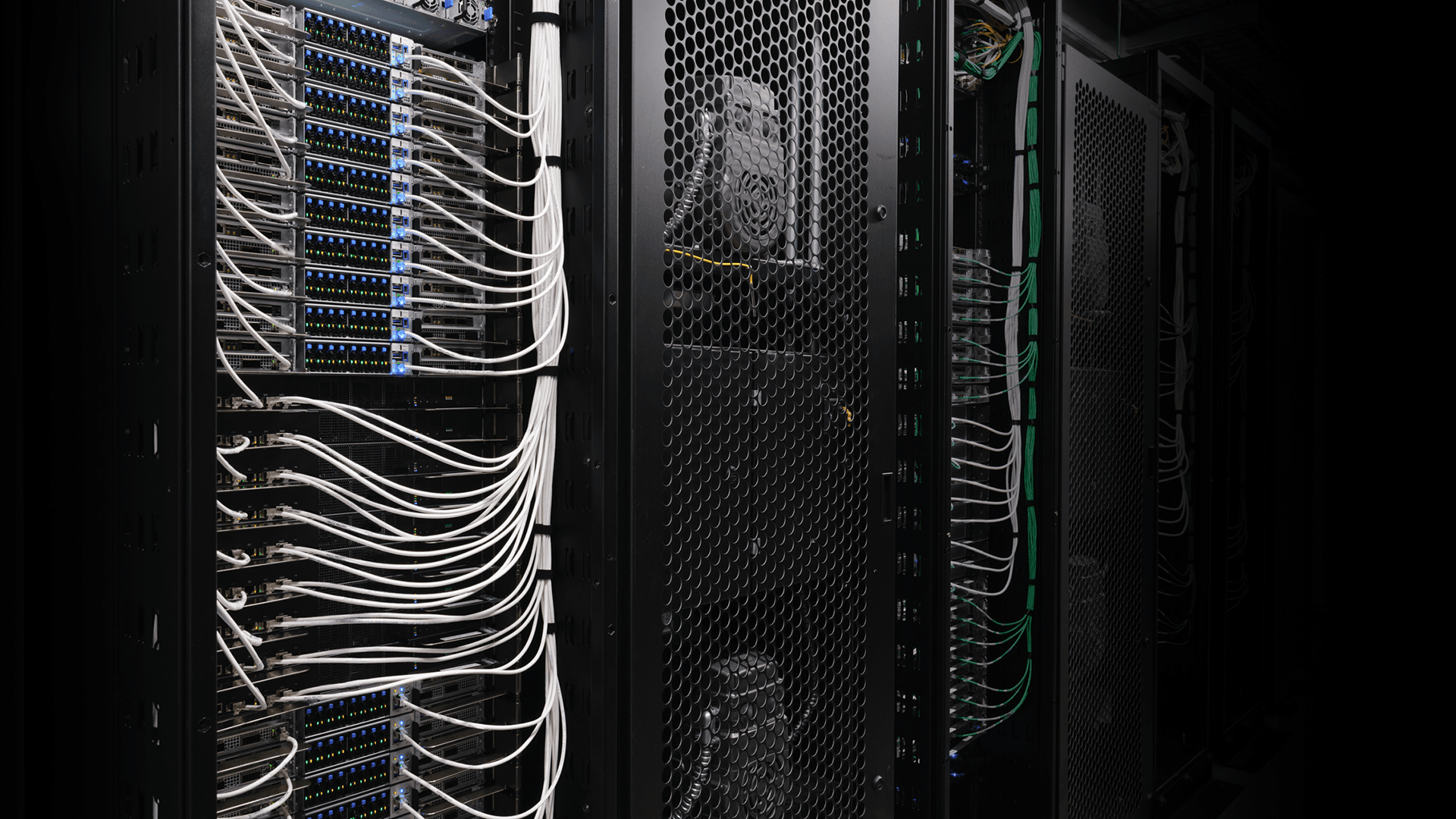
On November 16, the U.S. Department of Commerce introduced new rules restricting remote access to advanced American AI chips through data centers in third countries. The U.S. already bans sales of its most powerful AI chips to China, but Chinese companies could rent computing power built on these chips in data centers elsewhere, for example in Malaysia.
A license is now required to supply such chips to data centers anywhere in the world that provide significant computing power to companies from China, Russia, Iran and other countries under U.S. arms embargoes. Data centers must vet their customers, and those already serving such companies have 90 days to obtain a license. A separate license is now also required for shipments of advanced chips to Indonesia, Malaysia, Singapore, Thailand and Brazil — countries with a higher risk of diversion — though U.S. companies are exempt if they meet reporting requirements. The rule came days after Jensen Huang resigned as Nvidia's CEO amid scrutiny of his ties to a former head of Singapore-based Megaspeed, which is suspected of diverting Nvidia chips to China.
Amid the new restrictions and uncertainty around Nvidia, U.S. stocks fell the same day: the S&P 500 lost 1.9% and the Nasdaq 2.5%. Chipmakers, Big Tech and companies tied to the data center buildout led the decline, while Nvidia closed at $156.14 ahead of its quarterly report — its lowest level since July 2025.
Sources: Bureau of Industry and Security (BIS), press release, BIS, rule text, Associated Press, CNN